Treatment tactics for prevention of human papillomavirus infection and its manifestations in clinical practice of skin and STDs physician




















Treatment tactics for prevention of human papillomavirus infection and its manifestations in clinical practice of skin and STDs physician
D.V. Zaslavsky1, A.N. Barinova2, A.A. Sydikov1,3, Yu.S. Egorova1,3, A.V. Fedorchenko3, I.O. Olovyanishnikov3
1St. Petersburg State Pediatric Medical University
2 North-western State Medical University named after I.I. Mechnikov, Saint Petersburg
3Leningrad Regional Center for Specialized Types of Medical Care, Saint Petersburg
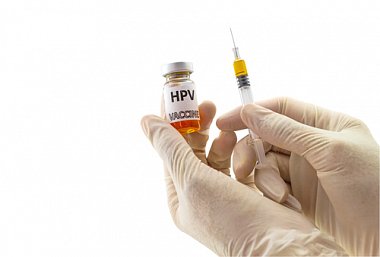
According to official information by WHO, 357 million people aged 15–49 get 4 curable sexually transmitted disease (STDs) every year. Given the most promising areas for reducing the STDs incidence worldwide until 2021, WHO highlighted 3 infections: Neisseria gonorrhoeae — due to the developing risk of incurable disease forms and the risk of co-infection with other STDs; Treponema pallidum — elimination of congenital syphilis, which can become real due to the monitoring and treatment systems enhancement for all pregnant women and syphilis control in risk groups; human papillomavirus (HPV) — emphasizing vaccination to prevent cervical cancer (CC) and anogenital warts (AW). Treatment tactics for the prevention of human papillomavirus infection (PVI) and AW, as one of its most common symptoms, should include a series of actions, among which the vaccination a gainst HPV should be crucial. The results of HPV vaccination programs worldwide have shown a significant contribution to reducing the PVI prevalence. This allowed the medical international community, including the Russian, to recommend vaccination against HPV as a highly effective measure to control PVI and its consequences.
Keywords: human papillomavirus, HPV, anogenital warts, genital warts, HPV prevention, vaccination.
For citation: Zaslavsky D.V., Barinova A.N., Sydikov A.A. et al. Treatment tactics for prevention of human papillomavirus infection and its manifestations in clinical practice of skin and STDs physician. RMJ. Medical Review. 2019;12:20–24.

This work is licensed under a Creative Commons «Attribution» 4.0 License.
